About Jufomfapip
Jufomfapip is a calm, educational resource for homeowners who want to understand home comfort. Our content centers on insulation fundamentals and heating efficiency, with practical explanations that support steady indoor temperatures, fewer drafts, and clearer decision making. We do not present guaranteed outcomes. Instead, we describe the building science concepts that influence results, and we encourage safe, informed improvements based on your home’s construction and condition.
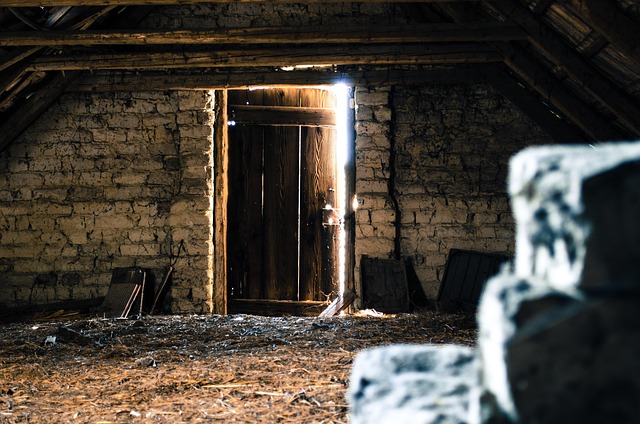
We explain what to look for in common areas like attics, exterior walls, basements, and around openings, with a focus on safe checks and realistic next steps.
Who this site is for
Many homeowners, especially those who have lived in the same home for years, want improvements that are comfortable, low disruption, and easy to maintain. Our writing is designed for readers who prefer clear steps, plain language, and a steady pace.
- Homeowners comparing insulation and draft-control options
- People troubleshooting cold rooms and uneven temperatures
- Readers preparing to speak with qualified contractors
What we cover
We focus on comfort building blocks: where heat escapes, how insulation works, and how heating systems deliver warmth throughout a home. You will see checklists, explanations of common terms, and guidance for prioritizing work.
- Attic and wall insulation basics and common pitfalls
- Heat-loss checks around openings and penetrations
- Heating maintenance and distribution basics
What we do not do
Jufomfapip is not a substitute for professional inspection, installation, or safety checks. We do not promise specific savings or guaranteed outcomes. We also avoid pressure language and time-limited offers.
- No guaranteed energy savings claims
- No cost reduction promises
- No medical or health advice
How we think about home comfort
Comfort is rarely fixed by a single product. In most homes, the biggest improvements come from understanding three related pieces: insulation, air movement, and heat delivery. If insulation is patchy, heat moves quickly through under-protected surfaces. If air leaks are significant, drafts can make rooms feel colder even when the temperature reading seems normal. If heat distribution is uneven, some rooms overheat while others stay chilly.
Our approach starts with observation and simple checks. We encourage homeowners to look for patterns: which rooms cool down fastest, whether cold air is felt near baseboards or window trim, and whether the heating system output is consistent. That information helps you prioritize. For example, draft control around openings may be a sensible early step, while attic insulation depth and coverage can be evaluated next. Heating system maintenance and airflow balancing can then support more even distribution.
We also emphasize safe boundaries. Any work near fuel-burning appliances, electrical systems, or areas with moisture concerns may require a qualified professional. Comfort improvements should protect indoor air quality and keep ventilation paths functioning as intended.
Step-by-step checks
We use clear sequences: what to inspect, what to measure, and what to record before deciding on materials or calling a contractor.
Clear questions to ask
When professional help is needed, we suggest practical questions that support clarity on scope, safety, and materials.